
Daily Saints: Saint Eulogius of Córdoba: The Priest-Martyr Who Chronicled and Joined the Mozarabic Witnesses
- David EvansWood

- Mar 11
- 4 min read
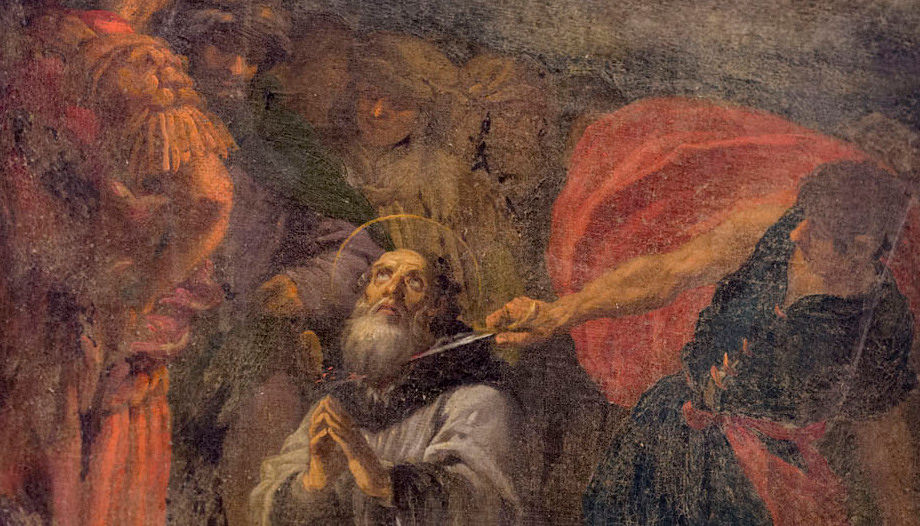
On March 11, the Church honors Saint Eulogius of Córdoba (c. 810–859), the learned priest and chronicler who defended and ultimately joined the voluntary martyrs of 9th-century Muslim-ruled Spain. In an era when many Christians accommodated Islamic authority through dhimmi status—paying jizya tax and avoiding public evangelization—Eulogius boldly wrote treatises affirming martyrdom's merit and compiled lives of the Córdoba martyrs, inspiring resistance to forced conversion and blasphemy laws.

His martyrdom with the young virgin Leocritia—beheaded for apostasy after sheltering her—culminated the "Mozarabic martyrs" movement (850–859), where nearly 50 Christians publicly professed faith, provoking execution. Eulogius's writings—the Memoriale Sanctorum, Liber Apologeticus Martyrum, and letters—preserve invaluable testimony to Christian life under the Caliphate of Córdoba.
Though not in the universal calendar, his feast endures in the Roman Martyrology, Spanish tradition, and Mozarabic rite. Relics venerated in Oviedo Cathedral and Córdoba's Christian sites commemorate his witness amid the magnificent Mosque-Cathedral, symbol of Al-Andalus's complex history.
Historical Context: Christian Córdoba Under Umayyad Rule
Eulogius lived during the Emirate of Córdoba's golden age—cultural flourishing under Abd ar-Rahman II (822–852) and Muhammad I (852–886). Muslims, Christians (Mozarabs preserving Visigothic rite), and Jews coexisted, but Islamic law restricted Christians: no new churches, no public crosses, no proselytizing, mandatory respect for Muhammad.
Many Christians assimilated—adopting Arabic names, dress, language—while retaining faith privately. Clergy often accommodated authorities.
A minority resisted cultural erosion, viewing accommodation as apostasy. The "voluntary martyrs" movement began when some publicly blasphemed Muhammad or proclaimed Christ—acts punishable by death unless recanting.
Debate raged: were these suicides or true martyrdoms? Eulogius argued the latter—provoked blasphemy defended faith against coercion.
Early Life and Priestly Formation in a Christian Enclave
Eulogius was born around 810–820 in Córdoba to a senatorial Christian family. Educated in the Basilica of St. Zoilus—one of few permitted churches—he mastered Latin, Greek, Hebrew, Scripture, patristics, and Visigothic liturgy under Abbot Speraindeo, a renowned scholar.
Ordained priest, Eulogius led exemplary life: teaching youth, copying manuscripts, aiding poor. He befriended fellow priest Alvarus Paulus, collaborator in writings.
During 850 persecution flare-up—executions of monk Isaac and others—Eulogius imprisoned briefly, composing first martyr defenses in cell.
Released, he continued ministry discreetly amid tightening restrictions.
The Martyrs' Movement: Chronicler and Defender
Between 850–859, nearly 50 Christians executed for public profession or insulting Islam—priests, monks, laymen, women, even children of mixed marriages.
Eulogius systematically recorded lives in Memoriale Sanctorum (three books) and Liber Apologeticus Martyrum—defending voluntary martyrdom against critics claiming imprudence or suicide.
He argued:
Martyrs provoked execution to witness truth, not seek death.
Blasphemy laws coerced apostasy; resistance preserved freedom.
Early Church honored similar confessors.
Martyrdom merited crown, interceding powerfully.
Critics (including bishops favoring accommodation) accused recklessness endangering community. Eulogius countered: silence betrayed faith.
His writings—elegant Latin, passionate theology—preserve unique insight into 9th-century Iberian Christianity.
Imprisonment and Election as Archbishop
In 858, new wave of arrests. Eulogius sheltered young convert Leocritia—daughter of Muslim father and Christian mother—who fled forced Islamization.
Betrayed, both arrested. Eulogius scourged; Leocritia tortured.
While imprisoned, Córdoba's clergy secretly elected Eulogius archbishop—vacant see due to persecution. He refused, citing unworthiness and danger.
Martyrdom with Saint Leocritia: March 11, 859
Trial before qadi (judge): Eulogius defended faith eloquently, proclaiming Christ God and Muhammad false prophet.
Offered pardon for recantation; refused. Sentenced beheading.
Leocritia—young virgin—executed first, maintaining virginity and faith unto death.
Eulogius followed March 11, 859—comforting crowd, praying joyfully.
Bodies thrown into Guadalquivir River; Christians recovered, buried honorably.
Miracles reported: healings, lights over river.
Writings and Theological Legacy
Eulogius's works—surviving through Alvarus Paulus—include:
Memoriale Sanctorum: Lives of martyrs.
Liber Apologeticus: Defense of voluntary martyrdom.
Documentum Martyrii: Letter to bishop encouraging resistance.
Letters and poems.
Theology emphasized:
Martyrdom's primacy in perfection.
Freedom of conscience against coercion.
Christ's uniqueness versus Islam.
Influenced later Reconquista spirituality; preserved Mozarabic liturgical fragments.
Relics, Veneration, and Modern Relevance
Bodies initially in Basilica of St. Zoilus; translated Oviedo during Muslim advances.
Portions in Córdoba churches; head reportedly in Oviedo Cathedral.
Veneration immediate—cult confirmed locally.
In modern interfaith dialogue, Eulogius's story complex: witness to faith amid oppression, yet provocative acts.
Devotion emphasizes courage defending truth, charity toward persecutors.
Invoked for persecuted Christians, converts from Islam, theological clarity.
In-Depth Spirituality: Martyrdom as Witness and Theological Resistance
Saint Eulogius teaches:
Intellectual apostolate → Writings defended faith rationally.
Voluntary witness → Public profession when truth attacked.
Compassion for souls → Encouraged resistance to save community from assimilation.
Joy in suffering → Faced death serenely.
He models: faith requires both contemplation and courageous action.
Catholics can:
Read his texts (available translations).
Pray for persecuted Middle East/North Africa Christians.
Study Church history under Islam.
Defend faith charitably in secular contexts.
Eulogius shows words and blood witness powerfully.
Daily Mass Readings for March 11, 2026 (Wednesday of the Third Week of Lent)
Readings emphasize law's fulfillment and teaching—themes Eulogius embodied through writings and ultimate testimony.
First Reading: Deuteronomy 4:1, 5-9
Moses: Observe statutes diligently... nation wise... keep, do them... teach children.
Responsorial Psalm: Psalm 147:12-13, 15-16, 19-20
R. Praise the Lord, Jerusalem.
Glorify LORD... strengthens bars... declares word to Jacob, statutes to Israel.
Gospel Acclamation: John 6:63c, 68c
Your words spirit and life... words of eternal life.
Gospel: Matthew 5:17-19
Jesus: Not abolish law but fulfill... whoever breaks least commandment small in kingdom... teaches shall great.
Reflection on the Readings in Light of Saint Eulogius
Readings stress faithful observance and teaching law. Moses commands diligent keeping—Eulogius urged Christians preserve faith amid pressure to abandon practices.
Psalm praises declaring word to Israel—Eulogius "declared" through chronicles and defense.
Gospel: fulfilling law through greater righteousness. Eulogius saw martyrdom as ultimate fulfillment—teaching through blood when words insufficient.
These texts with Eulogius's memorial challenge legalism vs. spirit: Do we teach and live faith fully? His life answers: yes, even unto death.
A Chronicler's Eternal Testimony
Saint Eulogius of Córdoba illuminates faith's cost when truth threatened. From prison writings to scaffold witness, from defending martyrs to joining them, his life proclaims: authentic Christianity resists assimilation through courageous testimony.
On this March 11, may his intercession strengthen persecuted, inspire theologians, guide all to faithful observance.
Prayer to Saint Eulogius
O Saint Eulogius, priest and martyr of Córdoba, you who chronicled witnesses and offered life for truth, intercede for us. Obtain courage for persecuted, wisdom for teachers, zeal for converts. Strengthen Church in trial, preserve faith's purity. Through your prayers, may we teach and live Gospel fully. Amen.


Comments